Abstract
Substance abuse among adolescents remains a major public health and educational concern, often associated with maladaptive behaviours such as truancy and poor academic performance. Psychodynamic therapy, which explores unconscious motivations and emotional conflicts, has been proposed as a potential intervention strategy. This study examined the effect of psychodynamic therapy on substance abuse behaviour among Upper Basic School students in Taraba State, Nigeria. The study employed a quasi-experimental design. The target population consisted of 28,182 Upper Basic School students, while a purposive sample of 30 students (both male and female) who exhibited truancy and substance abuse behaviourswas selected. Data were collected using a 20-item Substance Abuse Questionnaire (SAQ). The instrument’s reliability was established through a test–retest method, yielding a Cronbach’s Alpha coefficient of 0.88. Face and content validity were confirmed by experts from the Departments of Guidance and Counselling, and Measurement and Evaluation, Faculty of Education, Taraba State University, Jalingo. Mean and standard deviation were used to answer research questions, while a paired sample t-test and analysis of covariance (ANCOVA) were used to test the hypotheses at a 0.05 level of significance. Findings revealed that psychodynamic therapy had a statistically significant effect on reducing substance abuse behaviour among Upper Basic School students in Taraba State. However, no significant difference was found in the effect of the therapy between male and female students, indicating that both genders benefited equally from the intervention. Psychodynamic therapy was found to be an effective intervention for reducing substance abuse behaviour among Upper Basic School students. The study recommends that counsellors, psychologists, and related practitioners adopt psychodynamic therapy as an intervention technique to help young people overcome maladaptive behaviours such as substance abuse, thereby enhancing their personal and social adjustment.
Keywords
Psychodynamic Therapy, Substance Abuse, Behaviour, Upper Basic School, Students
1. Introduction
Substance abuse among adolescents has become a significant concern worldwide. It refers to the excessive or non-medical consumption of psychoactive substances in ways that violate legal or social norms, which can result in harmful physical, psychological, or social consequences
| [1] | Odejide, A. O. (2015). Observation on substance abuse in western Nigeria. African Journal of Psychology. 15, (80), 113-128. |
[1]
. Adolescence is a critical developmental period, and persistent substance misuse during these years can disrupt normal brain development, emotional regulation, academic achievement, and social relationships.
Globally, more than 13% of adolescents aged 10-19 years live with a diagnosed mental disorder, affecting about 166 million young people.
| [2] | Center for Policy Impact in Global Health. (2024). Youth mental health statistics: Global burden and policy implications. World Health Organization (WHO). |
[2]
In Nigeria, meta‐analytic evidence suggests that psychiatric disorders among children and adolescents have nontrivial prevalence; for example, a recent meta‐analysis of studies from 2010-2024 involving 47,451 Nigerian youths found behavioural disorders in about 15.1% of participants, 12% for major depression, and 9.2% for generalized anxiety disorder
| [3] | Ogunlade B. S., Abioye. I. A., Kuyebi K. M., Musa. J., Abubakar. K. A., Yisa N. M., Olukorode. O. S., Oyadiran T. O., Okusanya. T. R., Olofin. O. D., Igho-Osagie. E., MoshoodOlanrewajuOmotayo. O. M., Adewuya. A., (2025) Prevalence of psychiatric disorders among children and adolescents in Nigeria since 2010: A systematic review and meta-analysis medRxiv 2025.02.22.25322718; https://doi.org/10.1101/2025.02.22.25322718 |
[3]
.
Within Nigeria, substance abuse among adolescents is increasingly widespread. One recent study in Yaba Community Development Area, Lagos State (ages 10-19) reported a lifetime prevalence of substance use of 81.1%, with 59.3% using in the past month
| [4] | Adetona I. O., Onuche. V. O., Idowu A. A., Funsho F., Terry, S. D., Istifanus. A. J., (2025) Prevalence and Predictors of Substance Abuse Among Adolescents in Yaba Community Development Area Of Lagos State, Nigeria Science World Journal 20(3). |
[4]
Another regional study (Taraba State region) reported about 8.54% prevalence in substance abuse for that region
| [5] | Adamu. N. N., Menchak, C. Y., Adamu N. W., & Karfe A. S., (2020) Substance Abuse and Deviant Academic Behaviour Among Senior Secondary School Students in Jalingo (BSUJEM Vol. 2 No. 1 2020). |
[5]
.
The effects of substance abuse on adolescents are substantial. They include poor academic performance, truancy, decreased concentration, social maladjustment, heightened risk for mental health problems such as anxiety and depression, and, in some cases, involvement in delinquency and crime. These outcomes not only affect immediate wellbeing but can have long‐term impacts on the individual's life trajectory and on community and national development.
Given these scale and severity, interventions that address underlying psychological and emotional processes are needed. Psychodynamic therapy is a psychological intervention that explores unconscious conflicts, internal emotional states, and early life experiences. Recent systematic reviews have examined its efficacy for young adults, showing moderate but mixed results in reducing symptoms of depression, anxiety, and behavioural issues, including substance misuse in some cases
| [6] | Trotta A, Gerber AJ, Rost F, Robertson S, Shmueli A, Perelberg RJ. (2024) The efficacy of psychodynamic psychotherapy for young adults: a systematic review and meta-analysis. Front Psychol. 2024 Sep 4; 15: 1366032.
https://doi.org/10.3389/fpsyg.2024.1366032 |
[6]
. Linking psychodynamic therapy as a targeted intervention for school‐age adolescents in Nigeria could address both substance abuse behaviour and its underlying mental health correlates.
2. Statement of the Problem
Among Upper Basic School students in Taraba State, substance abuse and related maladaptive behaviours such as truancy are increasingly observed. These behaviours are associated with declines in academic achievement, psychological distress (anxiety, depression), dysfunctional peer and family relationships, and increased risk of further involvement in delinquency.
National agencies such as the NDLEA (National Drug Law Enforcement Agency) and NAFDAC have been active in regulatory and enforcement operations, public awareness campaigns, and some rehabilitation efforts. However, their work has largely emphasized supply control and enforcement rather than comprehensive psychological or therapeutic interventions in school settings. Studies have documented prevalence, risk factors, and consequences of adolescent substance abuse (e.g., in Lagos State and other parts of Nigeria). NGOs engage in awareness, preventive education, and community outreach. However, there is limited empirical evidence specifically testing psychotherapeutic interventions (like psychodynamic therapy) among school students in Taraba State or similar contexts.
students' performance may deteriorate, leading to higher dropout rates and decreased schooling outcomes, reducing future opportunities. untreated substance abuse is often comorbid with depression, anxiety, and other psychiatric disorders; it may lead to severe effects, including risk of self-harm or suicide. increased delinquency, crime, antisocial behaviours, social exclusion, and broader community instability. diminished life chances, chronic health issues, addiction, and reduced socio-economic status. Therefore, there is a strong justification for conducting research to assess whether psychodynamic therapy can serve as an effective intervention to reduce substance abuse behaviours among Upper Basic School students in Taraba State, and whether it can concurrently address underlying psychological and behavioural issues.
3. Purpose of the Study
1) Effect of psychodynamic therapy on substance abuse among Junior Secondary School Students in Taraba state, Nigeria.
2) Gender difference in the effect of Psychodynamic therapy on substance abuse behaviour among Junior Secondary School Students in Taraba State, Nigeria.
4. Research Questions
1) What is the effect of psychodynamic therapy on substance abuse behaviour of Junior Secondary School Students in Taraba State, Nigeria.
2) What is the mean difference between male and female students in the effect of psychodynamic therapy on substance abuse behaviour of Junior Secondary School students in Taraba State, Nigeria.
5. Statement of the Hypothesis
H01: Psychodynamic therapy has no significant effect on substance abuse behaviour of Junior Secondary School students in Taraba State, Nigeria.
H02: There is no significant difference in the mean effectiveness of psychodynamic therapy on substance abuse behaviour of male and female students of Junior Secondary School students in Taraba State, Nigeria.
6. Methodology
6.1. Research Design
This study adopted a quasi-experimental pre-test and post-test group design. According to
| [7] | Aliyu, M. M. (2021). Research methods in education and the social sciences. Kaduna, Nigeria: Academic Publishers. |
[7]
, a quasi-experimental design is characterized by the absence of a true laboratory-controlled environment and is often utilized when researchers must adapt to naturally occurring situations rather than manipulate all variables. Similarly,
| [8] | Nworgu, B. G. (2015). Educational research: Basic issues and methodology (3rd ed.). Nsukka, Nigeria: University Trust Publishers. |
[8]
noted that the quasi-experimental design is particularly suitable for educational settings where it may be impractical or disruptive to apply a pure experimental design due to existing institutional constraints.
The quasi-experimental pre-test and post-test group design was therefore deemed appropriate for this study because it allows for the examination of intervention effects within a natural school environment without interrupting normal academic activities. In this design, the researcher intentionally manipulates the independent variable Psychodynamic Therapy (PT) to observe its effect on the dependent variable maladaptive behaviour, particularly substance abuse among students. This deliberate intervention seeks to modify the maladaptive patterns of behaviour exhibited by students, helping them develop more adaptive coping mechanisms.
Psychodynamic Therapy served as the independent variable, while maladaptive behaviour (operationalized as substance abuse) constituted the dependent variable. The design enabled the comparison of participants’ performance before (pre-test) and after (post-test) exposure to the intervention, thereby allowing for the measurement of behavioural changes and the effectiveness of the therapy.
The structure of the design is presented as follows:
Table 1. Illustration of the research design.
Group | Pre-test | Treatment | Post-test |
E1 | O1 | X1 | O2 |
Where:
E1 = Experimental group exposed to Psychodynamic Therapy (PT) intervention on substance abuse.
X1 = Six-week psychodynamic therapy session administered to students exhibiting substance abuse tendencies.
O1 = Pre-test assessment of participants’ perceptions of the forms, causes, and consequences of substance abuse.
O2 = Post-test assessment of participants’ perceptions after treatment.
This design allowed for the assessment of changes in participants’ understanding and behavior regarding substance abuse, with pre-test scores serving as baseline data and post-test scores indicating the effect of the intervention.
6.2. Participants and Sampling Procedure
The study sample comprised 30 students identified as exhibiting maladaptive behaviours related to substance abuse. A multi-stage sampling technique was employed in selecting participants. In the first stage, purposive sampling was used to select three schools from three Local Government Areas (LGAs) in Taraba State, based on their relatively high student populations. In the second stage, purposive sampling was again used to identify students showing high levels of substance-related maladaptive behaviour.
The Substance Abuse Behaviour Questionnaire (SAQ) was administered to screen students, and those scoring between 40 and 100 were considered eligible for inclusion in the study. To ensure gender representation since gender was considered a moderating variable equal numbers of male and female students were selected. More than 15 male and 15 female students were initially identified. A balloting procedure was then conducted, where participants randomly picked folded slips labeled “YES” or “NO.” Students who picked “YES” (15 males and 15 females) formed the treatment group (total n = 30), while those who picked “NO” were excluded from the treatment phase.
The purposive sampling approach was chosen to ensure that participants possessed the specific characteristics necessary for the study namely, identifiable maladaptive behaviours related to substance abuse. This method allowed the researcher to target informants whose experiences and behaviours were most relevant to the study objectives, ensuring both the validity and reliability of the collected data.
6.3. Instruments and Procedure
Research Instrument
The primary data collection tool for this study was the Substance Abuse Behaviour Questionnaire (SAQ), designed to assess the forms, causes, and consequences of substance abuse among students. The SAQ comprised both closed- and open-ended items, structured into three sections. Section A gathered demographic data such as gender, age, and school. Section B examined the types and frequency of substances used, while Section C assessed students’ perceptions and attitudes toward the consequences of substance abuse.
The instrument was validated by three experts in Guidance and Counselling, Measurement and Evaluation, and Educational Psychology from Taraba State University, Jalingo. Their input ensured that the items measured the intended constructs and were relevant to the study objectives. The reliability of the instrument was established through a pilot test conducted with 20 students who were not part of the main study sample. The internal consistency of the SAQ was determined using Cronbach’s Alpha, which yielded a reliability coefficient of 0.82, indicating a high level of reliability and suitability for use in the study.
6.4. Treatment Procedure
The intervention involved the administration of Psychodynamic Therapy (PT) to the experimental group over a six-week period. The therapy sessions were conducted twice weekly, each lasting approximately 60 minutes. The sessions were facilitated by a qualified counsellor trained in psychodynamic techniques, under the supervision of the researcher.
The psychodynamic sessions focused on helping participants explore unconscious motives, early life experiences, and unresolved conflicts that may contribute to substance abuse. Techniques such as free association, interpretation, transference analysis, and emotional insight were employed to help participants gain deeper awareness of their behavior patterns and to foster adaptive coping mechanisms.
Each therapy session was designed with specific goals as follows:
1) Week 1–2: Establishing rapport, exploring personal histories, and identifying underlying emotional conflicts related to substance use.
2) Week 3–4: Facilitating self-awareness through guided reflection, dream analysis, and addressing defense mechanisms.
3) Week 5–6: Reinforcing insight, building emotional regulation skills, and developing healthier behavioural responses to stress and peer pressure.
Throughout the intervention, participants were encouraged to engage in reflective journaling and group discussions to reinforce therapeutic learning. Attendance and participation were monitored to ensure fidelity of implementation.
6.5. Pre-Test and Post-Test Administration
Before the intervention, participants completed the SAQ (Pre-test) to determine their baseline perceptions and behavioural tendencies concerning substance abuse. After six weeks of therapy, the same instrument was re-administered as the Post-test to measure changes in knowledge, attitudes, and behavioural responses. The pre-test and post-test scores were compared to determine the effectiveness of psychodynamic therapy in reducing maladaptive behaviour associated with substance abuse.
6.6. Data Collection Procedure
The researchers obtained formal approval from the Taraba State Ministry of Education and the heads of participating schools before commencing data collection. Consent was also obtained from students and, where necessary, from their parents or guardians. All participants were assured of confidentiality, voluntary participation, and the right to withdraw at any stage without penalty. Data collection followed an ethical protocol in compliance with research standards for human participants.
6.7. Data Analysis Techniques
Data obtained from the study were analyzed using both descriptive and inferential statistical methods to ensure accurate interpretation of findings. The descriptive statistics, which included means, standard deviations, and percentages, were employed to summarize participants’ demographic characteristics and their pre-test and post-test scores on the Substance Abuse Behaviour Questionnaire (SAQ). These provided a clear picture of students’ behavioural tendencies and the general effect of the intervention.
To determine the effect of Psychodynamic Therapy (PT) on substance abuse among upper basic school students, the inferential statistics of Analysis of Covariance (ANCOVA) was employed. The use of ANCOVA was deemed appropriate because it allowed the researcher to control for pre-test differences while assessing the true effect of the independent variable (psychodynamic therapy) on the dependent variable (maladaptive behaviour, specifically substance abuse). This statistical technique effectively increased the internal validity of the study by adjusting post-test means for any pre-existing differences between groups.
The following analytical procedures were observed:
1) Computation of Pre-Test and Post-Test Scores:
Participants’ scores from both tests were collated and coded for analysis. The pre-test served as the covariate to control for baseline variation.
2) Descriptive Analysis:
Means and standard deviations were calculated to show the direction and magnitude of change in substance abuse behavior before and after exposure to psychodynamic therapy.
3) Inferential Analysis:
ANCOVA was used to test the main hypothesis of the study, which examined whether there was a statistically significant difference in post-test scores between the pre-intervention and post-intervention phases after controlling for initial differences. The test was conducted at a 0.05 level of significance.
4) Effect Size Estimation:
Partial Eta Squared (η2) was used to determine the magnitude of the treatment effect, indicating the extent to which psychodynamic therapy influenced changes in maladaptive behaviour among the participants. All statistical analyses were carried out using the Statistical Package for the Social Sciences (SPSS, Version 26). The choice of this software was based on its efficiency, precision, and reliability in handling educational and psychological data. The results were presented in tables and figures for clarity and ease of interpretation. In interpreting the findings, both statistical and practical significance were considered to provide a balanced understanding of the impact of psychodynamic therapy on substance abuse behaviour. This approach ensured that the analysis not only confirmed statistical relationships but also highlighted the real-world implications of the intervention for counselling and educational practice.
7. Results and Discussion
7.1. Results
The results of the study were presented below:
Research Question one
What is the effect of psychodynamic therapy on substance abuse behaviour of Junior Secondary School Students in Taraba State, Nigeria?
Table 2. Mean Effect of Psychodynamic Therapy on Substance Abuse Behaviour of Students.
Pair 1 | Mean | N | Std. Deviation | Std. Error Mean |
| PreSAQ | 2.89 | 30 | .67 | .07 |
PostSAQ | 1.23 | 30 | .43 | .12 |
| Reduction | 1.65 | | | |
Source: Field survey, 2023
Table 2 shows the mean effect of psychodynamic therapy on substance abuse behaviour of 30 students in Junior Secondary Schools in Taraba State, Nigeria. The table shows that the mean substance abuse behaviour before psychodynamic therapy is 2.89 with a standard deviation of 0.67. The table further shows that the mean effect of psychodynamic therapy on students’ substance abuse behaviour after treatment is 1.23 with standard deviation of 0.43. The average reduction (between pretest and post-test) showing the effects of psychodynamic therapy on substance abuse behaviour of Junior Secondary School Students in Taraba State, Nigeria is 1.65.
Research Question two
What is the mean difference between male and female students in the effect of psychodynamic therapy on substance abuse behaviour of Junior Secondary Schools in Taraba State, Nigeria?
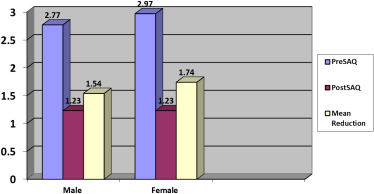
Figure 1. Pretest, Post-test and Mean Reduction in Substance Abuse Behaviour of Male and Female Students Due to Psychodynamic Therapy.
Table 3. Mean Effect of Psychodynamic Therapy on Substance Abuse Behaviour of Male and Female Students.
Gender | PreSAQ | ProstSAQ | Mean Reduction |
Male | Mean | 2.77 | 1.23 | 1.54 |
N | 13 | 13 | |
Std. Deviation | 0.43 | 0.43 | |
Female | Mean | 2.97 | 1.23 | 1.74 |
N | 17 | 17 | |
Std. Deviation | 0.74 | 0.43 | |
Difference | | | | 0.20 |
Table 3 shows the mean difference between male and female students in the effect of psychodynamic therapy on substance abuse behaviour of Junior Secondary Schools in Taraba State, Nigeria. The table shows that 13 male students and 17 female students received psychodynamic therapy in junior secondary school in Taraba State, Nigeria. The table shows that the male students with substance abuse behaviour has mean of 2.77 with standard deviation of 0.43 before psychodynamic therapy. The mean effect of psychodynamic therapy on substance abuse behaviour of male students in junior secondary school in Taraba State, Nigeria is 1.23 with a standard deviation of 0.43. The table further shows that the female students with substance abuse behaviour has mean of 2.97 with standard deviation of 0.74 before psychodynamic therapy. The mean effect of psychodynamic therapy on substance abuse behaviour of female students in junior secondary school in Taraba State, Nigeria is 1.23 with a standard deviation of 0.43. The table shows a mean reduction of 1.54 for male and 1.74 for female students. The mean difference in reduction between male and female students in substance abuse behaviour of Junior Secondary Schools in Taraba State, Nigeria is 0.20 in favour of female students who received psychodynamic therapy. The summary of the pretest, post-test mean reduction in substance abuse behaviour of male and female students in Taraba State, Nigeria that received psychodynamic therapy is as shown in Figure 1.
Hypothesis one
Psychodynamic therapy has no significant effect on substance abuse behaviour of Junior Secondary School students in Taraba State, Nigeria.
Table 4. t-Testof Effect ofPsychodynamic Therapy on Substance Abuse Behaviour of Students.
Pair 1 | Paired Differences | t | df | Sig. (2-tailed) |
Mean | Std. Deviation | Std. Error Mean |
| PreSAQ – PostSAQ | 1.65 | .82 | .14 | 11.059 | 29 | .000 |
Source: Field survey, 2023
Table 4 reveals a decrease in SAQ score from pretest (
= 2.89, SD = 0.43) to post-test (
= 1.23, SD = 0.67). The mean decrease in SAQ score was 1.65. Therefore t(29) = 11.059; p = 0.000 < 0.05. Thus, the null hypothesis is rejected. This implies that psychodynamic therapy has significant effect on substance abuse behaviour of Junior Secondary School Students in Taraba State, Nigeria. Thus, there is significant effect of psychodynamic therapy on substance abuse behaviour of Junior Secondary School Students in Taraba State, Nigeria. The eta square statistic of 0.80 indicates an effect size of 80% of the reduction in substance abuse behaviourbeing accounted for by the therapy.
Hypothesis two
There is no significant difference in the mean effectiveness of psychodynamic therapy on substance abuse behaviour of male and female students of Junior Secondary Schools in Taraba State, Nigeria.
Table 5. ANCOVA ofEffectiveness of Psychodynamic Therapy on Substance Abuse Behaviour of Male and Female.
Dependent Variable: PostSAQ |
Source | Type III Sum of Squares | Df | Mean Square | F | Sig. | Partial Eta Squared |
Corrected Model | .358a | 2 | .179 | .376 | .690 | .027 |
Intercept | 28.145 | 1 | 28.145 | 59.187 | .000 | .687 |
PreSAQ | .044 | 1 | .044 | .093 | .763 | .003 |
Gender | .315 | 1 | .315 | .662 | .423 | .024 |
Error | 12.839 | 27 | .476 | | | |
Total | 263.760 | 30 | | | | |
Corrected Total | 13.197 | 29 | | | | |
a. R Squared =.027 (Adjusted R Squared = -.045) |
Source: Field survey, 2023
Table 5 reveals that F(1, 27) = 0.662; p = 0.423 > 0.05. Thus, the null hypothesis is not rejected. This implies that there is no significant difference in the mean effectiveness of psychodynamic therapy on substance abuse behavior of male and female students of Junior Secondary Schools in Taraba State, Nigeria. Therefore, there is no significant difference in the mean effectiveness of psychodynamic therapy on male and female students with substance abuse behaviour in Junior Secondary Schools in Taraba State, Nigeria. The partial Eta square of 0.024 obtains for gender means that only 2.4 percent of students’ substance abuse behaviourcan be accounted for by gender.
7.2. Discussion of Findings
The findings on the effect of psychodynamic therapy on substance abuse among Junior Secondary School Students in Taraba State, Nigeria, revealed an average reduction of 1.65 points in substance abuse behaviour following the intervention. This indicates that psychodynamic therapy produced a significant effect on the substance abuse behaviour of students, demonstrating its efficacy in modifying maladaptive behavioural patterns associated with substance use. This outcome aligns with the results of previous studies which affirmed the positive impact of therapeutic interventions on drug use reduction and psychological adjustment among adolescents.
The current finding supports
| [9] | Muritala, (2015). Impact of substance abuse on academic performance among adolescent students of colleges of education in Kwara State, Nigeria. Journal of Education and Practice, 6(28), www.iiste.org |
[9]
, who found a significant difference in academic performance between students who abused drugs and those who did not, emphasizing the behavioural implications of substance use. Similarly, it concurs with
| [10] | Okoiye, O. E. (2015). Effectiveness of therapeutic treatment on drug-abuse challenges among students. International Journal of Psychology and Counselling, 7(4), 52–60. |
[10]
, who reported a significant main effect of therapeutic treatments on students’ ability to overcome drug-related challenges. The present result also corresponds with
| [11] | Okoye, N. (2015). Cognitive and rational emotive therapies in treating substance abuse among students. Journal of Educational and Behavioural Change, 3(2), 88–101. |
[11]
, who found that both Cognitive Behaviour Therapy (CBT) and Rational Emotive Behaviour Therapy (REBT) effectively facilitated behavioural change in students struggling with substance abuse.
Furthermore, the findings resonate with
| [12] | Oparaduru, J. O. (2017) Effectiveness of cognitive restructuring and self-control on proneness to maladaptive behaviour among selected senior secondary schools. Thesis submitted to the Department secondary school students in Imo state, Nigeria. of Educational Foundations, University of Lagos. |
[12]
, who found significant differences in post-test self-esteem levels among participants in three experimental groups, suggesting that psychological interventions foster self-concept improvement. The present study also aligns with
| [13] | Samson F. A, Osinowo, H. O. & Asagba, R. B (2017) Efficacy of compassion-focused therapy in a sample of youth with substance use disorder in Ogbomoso, Nigeria. AfricanJournalofDrugandAlcoholStudies / 16(2). |
[13]
, who observed that individuals exposed to Compassion-Focused Therapy (CFT) plus Treatment As Usual (TAU) reported significantly fewer substance use disorder symptoms than those who received TAU alone. Similarly,
| [14] | Usman B., & Abdelbagi D. A. (2018) Efficacy of Coping Skills Counselling Programme on Attitudes towards Substance Abuse Among Secondary SchoolStudents in Jalingo, Taraba State, Nigeria. Journal of Educational foundations, department of educational foundations, university of Jos, Nigeria. |
[14]
found that a coping skills counselling programme significantly improved students’ attitudes toward substance abuse.
The current result further agrees with
| [15] | Devi, A., & Agus, M. (2019). Effectiveness of rational emotive behaviour therapy in improving emotional regulation and reducing negative thought patterns. Journal of Counseling and Educational Psychology, 6(1), 28–37. |
[15]
, who emphasized that the REBT approach enhances emotional regulation, reduces negative thinking, and promotes behavioural change. It also supports
| [16] | Harry, O, Nkot, B, Chidozie E. N, & Chinwe O. (2019) effects of Logotherapy (LT) and Rational Emotive Behaviour Therapy (REBT) on tendency to relapse among substance abusers. |
[16]
, who found significant behavioural differences between experimental and control groups, as well
| [17] | Hamid, K, & Ehsan G (2019) Effect of CBT therapy on methadone consumption and general health of opium addicts before and after the intervention. Iranian Journal of Health Psychology. |
[17]
, who demonstrated that CBT positively influenced general health and well-being.
Recent studies reinforce these outcomes.
| [18] | Bolu-Steve, F. N. (2020). Contemporary trend of drug abuse among in-school adolescents in Kwara State, Nigeria. Canadian Journal of Family and Youth, 12(3), 23-34. |
[18]
, reported a significant difference in students’ perception of drug abuse trends based on age, while
| [19] | Obadeji, A. (2020). Family dynamics and protection against substance use among adolescents. Journal of Family Psychology, 12(2), 77–85. |
[19]
, found that family structure specifically living with married parents served as a protective factor. In addition,
| [20] | Gabriela, L., Martinez, R., & Kwon, S. (2021). Group-based behavioural therapies for co-occurring substance use and psychiatric disorders. Journal of Clinical Behavioural Health, 9(1), 14–26. |
[20]
, found that behavioural skills group therapy, group behavioural therapy plus contingency management (CM), and dialectical behaviour therapy were all effective in reducing substance use and psychiatric symptoms.
| [21] | Mase, P. (2021). Influence of self-esteem, peers, and family on tramadol abuse among youth. Substance Use and Mental Health Journal, 5(3), 101–113. |
[21]
, also established that self-esteem, peer influence, and family relationships significantly predicted tramadol abuse, with self-esteem and family ties inversely related to substance use. Likewise,
| [22] | Agberotimi, S. F., & Oduaran, A. (2021). Metacognitive therapy and its effect on substance use disorders. African Journal of Psychological Interventions, 4(4), 55–67. |
[22]
, found that individuals in the metacognitive therapy (MCT) group showed significant reductions in substance use disorder symptoms across assessment stages.
Supporting these findings,
| [23] | Autoren und Autorinnen, M. (2021). Psychodynamic therapy effectiveness in school-aged populations: A meta-analytic review. International Journal of Child Psychotherapy, 11(2), 45–62. |
[23]
, provided empirical evidence validating psychodynamic therapy as an effective treatment for children and students. Similarly,
| [24] | Geoff, T. (2022). The moderating role of psychiatric diagnosis in therapeutic response among children. Child Mental Health Review, 7(3), 122–134. |
[24]
, reported that children’s psychiatric diagnoses often moderate therapeutic outcomes, while
| [25] | Calderon, R. (2022). Psychodynamic interventions in positive-outcome cases: An evaluative study. Journal of Clinical Child Therapy, 18(1), 39–52. |
[25]
, demonstrated that psychodynamic interventions were particularly beneficial in good-outcome cases. In addition,
| [26] | Arhin, K. (2023). Preventive approaches to alcohol and substance abuse among adolescents: Policy and practice implications. Global Health and Behavioural Sciences, 6(2), 67–80. |
[26]
, stressed that a comprehensive preventive strategy encompassing alcohol regulation, counselling accessibility, and stricter enforcement yields the most effective results in reducing substance abuse.
In the present study, the therapist utilized critical tools from the psychodynamic approach, engaging students to project their unconscious feelings and emotions. Through this process, the therapist explored the students’ emotional expressions, interpreted their behaviours, and guided them toward self-awareness. This therapeutic exploration helped the students uncover hidden conflicts, unresolved emotions, and deep-seated motivations, leading to meaningful behavioural transformation. This process explains the observed significant reduction in substance abuse behaviour among the participating students.
Gender Differences in the Effect of Psychodynamic Therapy
The study also investigated gender differences in the effectiveness of psychodynamic therapy on substance abuse behaviour. Results indicated a mean reduction difference of 0.20 in favour of female students; however, this difference was not statistically significant. This suggests that psychodynamic therapy is equally effective for both male and female students highlighting its gender inclusivity.
The finding supports
| [10] | Okoiye, O. E. (2015). Effectiveness of therapeutic treatment on drug-abuse challenges among students. International Journal of Psychology and Counselling, 7(4), 52–60. |
[10]
, who reported no significant gender or age differences in drug abuse intervention outcomes, and
| [12] | Oparaduru, J. O. (2017) Effectiveness of cognitive restructuring and self-control on proneness to maladaptive behaviour among selected senior secondary schools. Thesis submitted to the Department secondary school students in Imo state, Nigeria. of Educational Foundations, University of Lagos. |
[12]
, who also observed no significant gender differences among participants in experimental groups. Similarly,
| [27] | Ghorban, N., Hosseini, S., & Mehrabi, A. (2019). Effects of cognitive-behavioral therapy on depression, anxiety, and stress in male individuals with addiction. Journal of Clinical Rehabilitation Studies, 8(1), 22–30. |
[27]
, found that CBT reduced depression, anxiety, and stress among male addicts, underscoring therapy’s broad applicability. The present result aligns with
| [18] | Bolu-Steve, F. N. (2020). Contemporary trend of drug abuse among in-school adolescents in Kwara State, Nigeria. Canadian Journal of Family and Youth, 12(3), 23-34. |
[18]
, and
| [28] | Adomeh, I. O. C. (2020). Perceptions of substance abuse among secondary school students: Gender perspectives. Journal of Educational and Counselling Studies, 5(1), 33–45. |
[28]
, both of whom found no significant gender-based variations in students’ perceptions or school attendance related to substance abuse.
However, the finding contrasts with
| [9] | Muritala, (2015). Impact of substance abuse on academic performance among adolescent students of colleges of education in Kwara State, Nigeria. Journal of Education and Practice, 6(28), www.iiste.org |
[9]
, who reported a significant gender difference among substance-abusing students based on academic performance. It also disagrees with
| [9] | Muritala, (2015). Impact of substance abuse on academic performance among adolescent students of colleges of education in Kwara State, Nigeria. Journal of Education and Practice, 6(28), www.iiste.org |
[9]
, who found that parental substance use and male gender increased substance use risk, as well as
| [29] | Mazhari, S. (2021). Substance use patterns among adolescents: The role of gender. Journal of Youth Mental Health, 12(4), 90–101. |
[29]
, and
| [30] | Balvardi, M. (2021). Gender disparities in substance use prevalence: A national survey. International Journal of Addiction Research, 10(2), 71–82. |
[30]
, who both reported higher prevalence rates of substance use among males.
Despite these inconsistencies, the present study concludes that psychodynamic therapy remains gender neutral in its effectiveness. This may be attributed to the therapist’s facilitation techniques, which encouraged both male and female students to engage in exercises that revealed deeply buried associations and emotional experiences. Such therapeutic activities fostered catharsis, enabling students regardless of gender to experience emotional release and psychological healing.
8. Recommendations
Based on the findings that psychodynamic therapy significantly reduced substance abuse behaviour among Junior Secondary School Students in Taraba State, Nigeria, the following recommendations are proposed for counselling practice, institutional improvement, and policy enhancement.
1) School counsellors, psychologists, and mental health practitioners should be encouraged to utilize psychodynamic therapy as an evidence-based intervention for addressing maladaptive behaviours such as substance abuse, truancy, and bullying among adolescents. The therapeutic approach helps students explore unconscious motivations and emotional conflicts, fostering self-awareness and behavioural transformation.
2) Education stakeholders including ministries, counselling associations, and professional bodies should organize periodic workshops, conferences, and in-service training for teachers, counsellors, psychologists, and administrators. Such initiatives should focus on equipping professionals with psychodynamic therapy competencies and integrating this approach into existing school counselling systems.
3) Secondary schools should partner with professional counsellors and psychologists to institutionalize psychodynamic therapy as a structured intervention program. This collaboration can enhance school-based mental health services and ensure early identification and intervention for students exhibiting signs of maladaptive behaviour.
4) Counsellors and therapists should adopt gender-sensitive approaches in counselling. The study found no significant difference in the effectiveness of psychodynamic therapy between male and female students, indicating that the method is equally beneficial across genders. Equal counselling opportunities should therefore be ensured in practice.
5) The National Educational Research and Development Council (NERDC) and related government agencies should fund further empirical investigations into the application of psychodynamic therapy in both secondary and tertiary educational settings. The outcomes could inform the inclusion of psychodynamic approaches in national school counselling curricula and mental health policies.
6) Educational institutions should implement clear behavioural policies that discourage bullying, truancy, and substance abuse. Effective supervision, immediate reporting, and swift, fair disciplinary measures are crucial in maintaining school safety. Schools must handle confirmed cases promptly to prevent recurrence and foster accountability.
7) Guidance counsellors and teachers should emphasize moral education and character formation, helping students develop empathy, tolerance, and cooperation. Parents, as primary role models, should also avoid exhibiting maladaptive behaviours such as substance abuse or aggression at home. Strong home–school collaboration remains critical to sustaining positive behavioural change.
9. Implications for Counselling Practice
The findings of this study present several important implications for counselling practice, particularly in the use of psychodynamic therapy as a viable intervention for reducing maladaptive behaviours such as substance abuse among students in Junior Secondary Schools. The demonstrated effectiveness of psychodynamic therapy reinforces its value as a practical and evidence-based approach that can be integrated into school counselling programmes and youth-focused interventions. Counsellors, psychologists, and mental health practitioners are therefore encouraged to adopt and adapt psychodynamic techniques to meet the specific emotional and behavioural needs of adolescents within the school environment.
One of the major implications of this study is that psychodynamic therapy offers a deep and reflective avenue for addressing underlying emotional conflicts and unconscious motivations that often manifest as behavioural problems among students. By helping learners gain insight into the root causes of their actions, counsellors can promote self-awareness, emotional regulation, and positive coping mechanisms. This approach moves beyond symptom management to foster long-term behavioural change and personality adjustment, thereby making the counselling process more meaningful and result-oriented.
Another important implication is the finding that there was no significant difference between male and female students in the effectiveness of psychodynamic therapy. This indicates that the therapy can be effectively applied across gender lines without bias or differential outcomes. For practising counsellors, this finding encourages inclusive therapeutic practices that recognize the shared emotional and developmental needs of both male and female adolescents. It also underscores the importance of counsellor training that emphasizes gender sensitivity and equal access to therapeutic support.
Furthermore, the success of psychodynamic therapy in reducing maladaptive behaviour highlights the need for school administrators and policymakers to strengthen guidance and counselling units. Counsellors should be given the resources, time, and institutional backing to implement structured psychodynamic interventions. Integrating this approach into school counselling programmes can serve as a preventive measure against the escalation of substance use, aggression, truancy, and other maladaptive patterns that hinder academic and social development.
At a broader professional level, this study contributes to expanding the range of empirically supported therapies available to counsellors and psychologists in Nigeria and beyond. It demonstrates that psychodynamic principles remain relevant and adaptable to contemporary educational and cultural contexts. By building on these findings, counselling practitioners can refine intervention models that promote emotional health, behavioural stability, and academic resilience among adolescents. Ultimately, the study affirms the counsellor’s critical role in applying therapeutic insight to nurture well-adjusted, responsible, and emotionally balanced learners.
Future studies should explore longitudinal impacts of psychodynamic therapy across diverse educational settings and age groups to determine its sustainability and broader applicability. Researchers could also compare psychodynamic therapy with other therapeutic models, such as cognitive-behavioural or humanistic approaches, to deepen understanding of its relative effectiveness in adolescent behavioural management.
10. Conclusion
This study concluded that psychodynamic therapy is an effective intervention for reducing substance abuse behaviour among Junior Secondary School students in Taraba State, Nigeria. The findings revealed a significant reduction in maladaptive behaviours such as substance use, truancy, and bullying among participants who underwent psychodynamic therapy. The intervention demonstrated its ability to help students gain insight into their inner conflicts, improve emotional regulation, and adopt healthier coping strategies that enhance their social and academic adjustment.
Importantly, the results showed no significant gender difference in the effectiveness of the therapy, indicating that psychodynamic therapy is equally beneficial for both male and female students. This suggests that the intervention is gender-inclusive and adaptable across diverse student populations, making it a valuable tool for school counsellors and mental health practitioners.
The implications of these findings extend beyond the individual level to educational practice and policy. Teachers, counsellors, and school administrators are encouraged to integrate psychodynamic approaches into their guidance programmes to curb maladaptive behaviours and promote psychological well-being among students. Furthermore, state and national education authorities should consider incorporating evidence-based therapeutic interventions into school mental health frameworks to address behavioural challenges early.
Abbreviations
SAQ | Substance Abuse Behaviour Questionnaire |
PT | Psychodynamic Therapy |
ANCOVA | Analysis of Covariance |
SPSS | Statistical Package for the Social Sciences |
NDLEA | National Drug Law Enforcement Agency |
Author Contributions
Kefas Vivian Azumi: Conceptualization, Data curation, Formal Analysis, Funding acquisition, Investigation, Methodology, Project administration, Writing – original draft
Matsayi Lucy Aji: Formal Analysis, Resources, Software, Supervision, Validation, Visualization, Writing – review & editing
Conflicts of Interest
The authors declare no conflicts of interest.
References
| [1] |
Odejide, A. O. (2015). Observation on substance abuse in western Nigeria. African Journal of Psychology. 15, (80), 113-128.
|
| [2] |
Center for Policy Impact in Global Health. (2024). Youth mental health statistics: Global burden and policy implications. World Health Organization (WHO).
|
| [3] |
Ogunlade B. S., Abioye. I. A., Kuyebi K. M., Musa. J., Abubakar. K. A., Yisa N. M., Olukorode. O. S., Oyadiran T. O., Okusanya. T. R., Olofin. O. D., Igho-Osagie. E., MoshoodOlanrewajuOmotayo. O. M., Adewuya. A., (2025) Prevalence of psychiatric disorders among children and adolescents in Nigeria since 2010: A systematic review and meta-analysis medRxiv 2025.02.22.25322718;
https://doi.org/10.1101/2025.02.22.25322718
|
| [4] |
Adetona I. O., Onuche. V. O., Idowu A. A., Funsho F., Terry, S. D., Istifanus. A. J., (2025) Prevalence and Predictors of Substance Abuse Among Adolescents in Yaba Community Development Area Of Lagos State, Nigeria Science World Journal 20(3).
|
| [5] |
Adamu. N. N., Menchak, C. Y., Adamu N. W., & Karfe A. S., (2020) Substance Abuse and Deviant Academic Behaviour Among Senior Secondary School Students in Jalingo (BSUJEM Vol. 2 No. 1 2020).
|
| [6] |
Trotta A, Gerber AJ, Rost F, Robertson S, Shmueli A, Perelberg RJ. (2024) The efficacy of psychodynamic psychotherapy for young adults: a systematic review and meta-analysis. Front Psychol. 2024 Sep 4; 15: 1366032.
https://doi.org/10.3389/fpsyg.2024.1366032
|
| [7] |
Aliyu, M. M. (2021). Research methods in education and the social sciences. Kaduna, Nigeria: Academic Publishers.
|
| [8] |
Nworgu, B. G. (2015). Educational research: Basic issues and methodology (3rd ed.). Nsukka, Nigeria: University Trust Publishers.
|
| [9] |
Muritala, (2015). Impact of substance abuse on academic performance among adolescent students of colleges of education in Kwara State, Nigeria. Journal of Education and Practice, 6(28),
www.iiste.org
|
| [10] |
Okoiye, O. E. (2015). Effectiveness of therapeutic treatment on drug-abuse challenges among students. International Journal of Psychology and Counselling, 7(4), 52–60.
|
| [11] |
Okoye, N. (2015). Cognitive and rational emotive therapies in treating substance abuse among students. Journal of Educational and Behavioural Change, 3(2), 88–101.
|
| [12] |
Oparaduru, J. O. (2017) Effectiveness of cognitive restructuring and self-control on proneness to maladaptive behaviour among selected senior secondary schools. Thesis submitted to the Department secondary school students in Imo state, Nigeria. of Educational Foundations, University of Lagos.
|
| [13] |
Samson F. A, Osinowo, H. O. & Asagba, R. B (2017) Efficacy of compassion-focused therapy in a sample of youth with substance use disorder in Ogbomoso, Nigeria. AfricanJournalofDrugandAlcoholStudies / 16(2).
|
| [14] |
Usman B., & Abdelbagi D. A. (2018) Efficacy of Coping Skills Counselling Programme on Attitudes towards Substance Abuse Among Secondary SchoolStudents in Jalingo, Taraba State, Nigeria. Journal of Educational foundations, department of educational foundations, university of Jos, Nigeria.
|
| [15] |
Devi, A., & Agus, M. (2019). Effectiveness of rational emotive behaviour therapy in improving emotional regulation and reducing negative thought patterns. Journal of Counseling and Educational Psychology, 6(1), 28–37.
|
| [16] |
Harry, O, Nkot, B, Chidozie E. N, & Chinwe O. (2019) effects of Logotherapy (LT) and Rational Emotive Behaviour Therapy (REBT) on tendency to relapse among substance abusers.
|
| [17] |
Hamid, K, & Ehsan G (2019) Effect of CBT therapy on methadone consumption and general health of opium addicts before and after the intervention. Iranian Journal of Health Psychology.
|
| [18] |
Bolu-Steve, F. N. (2020). Contemporary trend of drug abuse among in-school adolescents in Kwara State, Nigeria. Canadian Journal of Family and Youth, 12(3), 23-34.
|
| [19] |
Obadeji, A. (2020). Family dynamics and protection against substance use among adolescents. Journal of Family Psychology, 12(2), 77–85.
|
| [20] |
Gabriela, L., Martinez, R., & Kwon, S. (2021). Group-based behavioural therapies for co-occurring substance use and psychiatric disorders. Journal of Clinical Behavioural Health, 9(1), 14–26.
|
| [21] |
Mase, P. (2021). Influence of self-esteem, peers, and family on tramadol abuse among youth. Substance Use and Mental Health Journal, 5(3), 101–113.
|
| [22] |
Agberotimi, S. F., & Oduaran, A. (2021). Metacognitive therapy and its effect on substance use disorders. African Journal of Psychological Interventions, 4(4), 55–67.
|
| [23] |
Autoren und Autorinnen, M. (2021). Psychodynamic therapy effectiveness in school-aged populations: A meta-analytic review. International Journal of Child Psychotherapy, 11(2), 45–62.
|
| [24] |
Geoff, T. (2022). The moderating role of psychiatric diagnosis in therapeutic response among children. Child Mental Health Review, 7(3), 122–134.
|
| [25] |
Calderon, R. (2022). Psychodynamic interventions in positive-outcome cases: An evaluative study. Journal of Clinical Child Therapy, 18(1), 39–52.
|
| [26] |
Arhin, K. (2023). Preventive approaches to alcohol and substance abuse among adolescents: Policy and practice implications. Global Health and Behavioural Sciences, 6(2), 67–80.
|
| [27] |
Ghorban, N., Hosseini, S., & Mehrabi, A. (2019). Effects of cognitive-behavioral therapy on depression, anxiety, and stress in male individuals with addiction. Journal of Clinical Rehabilitation Studies, 8(1), 22–30.
|
| [28] |
Adomeh, I. O. C. (2020). Perceptions of substance abuse among secondary school students: Gender perspectives. Journal of Educational and Counselling Studies, 5(1), 33–45.
|
| [29] |
Mazhari, S. (2021). Substance use patterns among adolescents: The role of gender. Journal of Youth Mental Health, 12(4), 90–101.
|
| [30] |
Balvardi, M. (2021). Gender disparities in substance use prevalence: A national survey. International Journal of Addiction Research, 10(2), 71–82.
|
Cite This Article
-
APA Style
Azumi, K. V., Aji, M. L., Nuhu, A. N. (2025). Effect of Psychodynamic Therapy on Substance Abuse of Upper Basic School Students in Taraba State, Nigeria. International Journal of Psychological and Brain Sciences, 10(6), 131-140. https://doi.org/10.11648/j.ijpbs.20251006.11
 Copy
|
Copy
|
 Download
ACS Style
Azumi, K. V.; Aji, M. L.; Nuhu, A. N. Effect of Psychodynamic Therapy on Substance Abuse of Upper Basic School Students in Taraba State, Nigeria. Int. J. Psychol. Brain Sci. 2025, 10(6), 131-140. doi: 10.11648/j.ijpbs.20251006.11
Copy
|
Download
AMA Style
Azumi KV, Aji ML, Nuhu AN. Effect of Psychodynamic Therapy on Substance Abuse of Upper Basic School Students in Taraba State, Nigeria. Int J Psychol Brain Sci. 2025;10(6):131-140. doi: 10.11648/j.ijpbs.20251006.11
Copy
|
Download
-
@article{10.11648/j.ijpbs.20251006.11,
  author = {Kefas Vivian Azumi and Matsayi Lucy Aji and Adamu Naomi Nuhu},
  title = {Effect of Psychodynamic Therapy on Substance Abuse of Upper Basic School Students in Taraba State, Nigeria},
  journal = {International Journal of Psychological and Brain Sciences},
  volume = {10},
  number = {6},
  pages = {131-140},
  doi = {10.11648/j.ijpbs.20251006.11},
  url = {https://doi.org/10.11648/j.ijpbs.20251006.11},
  eprint = {https://article.sciencepublishinggroup.com/pdf/10.11648.j.ijpbs.20251006.11},
  abstract = {Substance abuse among adolescents remains a major public health and educational concern, often associated with maladaptive behaviours such as truancy and poor academic performance. Psychodynamic therapy, which explores unconscious motivations and emotional conflicts, has been proposed as a potential intervention strategy. This study examined the effect of psychodynamic therapy on substance abuse behaviour among Upper Basic School students in Taraba State, Nigeria. The study employed a quasi-experimental design. The target population consisted of 28,182 Upper Basic School students, while a purposive sample of 30 students (both male and female) who exhibited truancy and substance abuse behaviourswas selected. Data were collected using a 20-item Substance Abuse Questionnaire (SAQ). The instrument’s reliability was established through a test–retest method, yielding a Cronbach’s Alpha coefficient of 0.88. Face and content validity were confirmed by experts from the Departments of Guidance and Counselling, and Measurement and Evaluation, Faculty of Education, Taraba State University, Jalingo. Mean and standard deviation were used to answer research questions, while a paired sample t-test and analysis of covariance (ANCOVA) were used to test the hypotheses at a 0.05 level of significance. Findings revealed that psychodynamic therapy had a statistically significant effect on reducing substance abuse behaviour among Upper Basic School students in Taraba State. However, no significant difference was found in the effect of the therapy between male and female students, indicating that both genders benefited equally from the intervention. Psychodynamic therapy was found to be an effective intervention for reducing substance abuse behaviour among Upper Basic School students. The study recommends that counsellors, psychologists, and related practitioners adopt psychodynamic therapy as an intervention technique to help young people overcome maladaptive behaviours such as substance abuse, thereby enhancing their personal and social adjustment.},
 year = {2025}
}
Copy
|
Download
-
TY  - JOUR
T1  - Effect of Psychodynamic Therapy on Substance Abuse of Upper Basic School Students in Taraba State, Nigeria
AU  - Kefas Vivian Azumi
AU  - Matsayi Lucy Aji
AU  - Adamu Naomi Nuhu
Y1  - 2025/12/17
PY  - 2025
N1  - https://doi.org/10.11648/j.ijpbs.20251006.11
DO  - 10.11648/j.ijpbs.20251006.11
T2  - International Journal of Psychological and Brain Sciences
JF  - International Journal of Psychological and Brain Sciences
JO  - International Journal of Psychological and Brain Sciences
SP  - 131
EP  - 140
PB  - Science Publishing Group
SN  - 2575-1573
UR  - https://doi.org/10.11648/j.ijpbs.20251006.11
AB  - Substance abuse among adolescents remains a major public health and educational concern, often associated with maladaptive behaviours such as truancy and poor academic performance. Psychodynamic therapy, which explores unconscious motivations and emotional conflicts, has been proposed as a potential intervention strategy. This study examined the effect of psychodynamic therapy on substance abuse behaviour among Upper Basic School students in Taraba State, Nigeria. The study employed a quasi-experimental design. The target population consisted of 28,182 Upper Basic School students, while a purposive sample of 30 students (both male and female) who exhibited truancy and substance abuse behaviourswas selected. Data were collected using a 20-item Substance Abuse Questionnaire (SAQ). The instrument’s reliability was established through a test–retest method, yielding a Cronbach’s Alpha coefficient of 0.88. Face and content validity were confirmed by experts from the Departments of Guidance and Counselling, and Measurement and Evaluation, Faculty of Education, Taraba State University, Jalingo. Mean and standard deviation were used to answer research questions, while a paired sample t-test and analysis of covariance (ANCOVA) were used to test the hypotheses at a 0.05 level of significance. Findings revealed that psychodynamic therapy had a statistically significant effect on reducing substance abuse behaviour among Upper Basic School students in Taraba State. However, no significant difference was found in the effect of the therapy between male and female students, indicating that both genders benefited equally from the intervention. Psychodynamic therapy was found to be an effective intervention for reducing substance abuse behaviour among Upper Basic School students. The study recommends that counsellors, psychologists, and related practitioners adopt psychodynamic therapy as an intervention technique to help young people overcome maladaptive behaviours such as substance abuse, thereby enhancing their personal and social adjustment.
VL  - 10
IS  - 6
ER  -
Copy
|
Download





 Share This Article
 Twitter
 Linked In
 Facebook